

Having core competency in this field, we are betrothed in manufacturing, exporting and supplying the finest quality Textile Warping Machine. Finding its application in textile industry, the offered machine is used to weave different kinds of fabrics. Our dedicated professionals use supreme grade components to manufacture this machine with the help of pioneering techniques at our premises. Along with this, our valuable patrons can easily purchase this Textile Warping Machine at market leading prices from us.
Textile Warping machines coupled with weaving & knitting techniques, widely used in fabric production. These machines are guided by the requirements of the yarns to be processed, whether it is warp and the weft. Some of the man made filament yarns are tailored individually to the current warp beam sizes by using such machinery. It is also considered as a highly productive warping machine with tandem warping option that help for meeting the individual requirements of elastic yarns. In short we can say that our offered gamut of machines is widely used in designing the yarn, utilized in producing woven cloth.
Features:
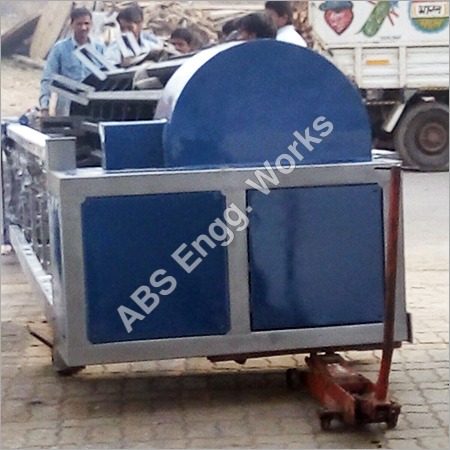

Price:
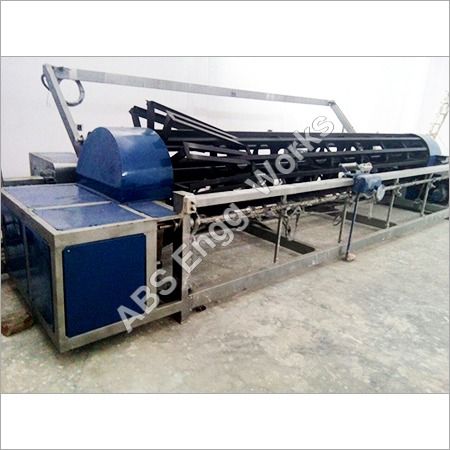
Price Range 100000.00 - 300000.00 INR
Minimum Order Quantity : 1 Carton
Machinery Type : Other, Textile Warping Machinery
Product Type : Other, Sectional Warping Machine
Capacity : Up to 600 meters/min
Color : Grey with Blue Accents
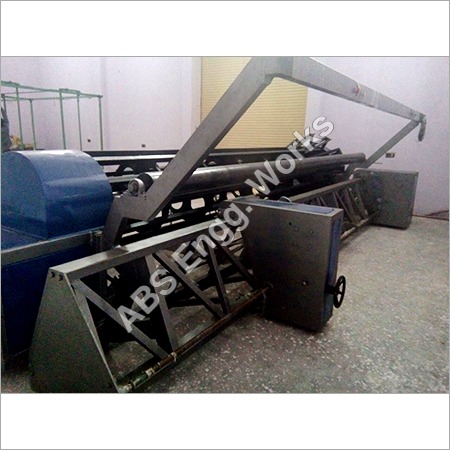
Price Range 100000.00 - 300000.00 INR
Minimum Order Quantity : 1 Set
Machinery Type : Other, Textile Warping Machinery
Product Type : Other, Direct Warping Machine
Capacity : 5001500 m/min
Color : Blue & Silver
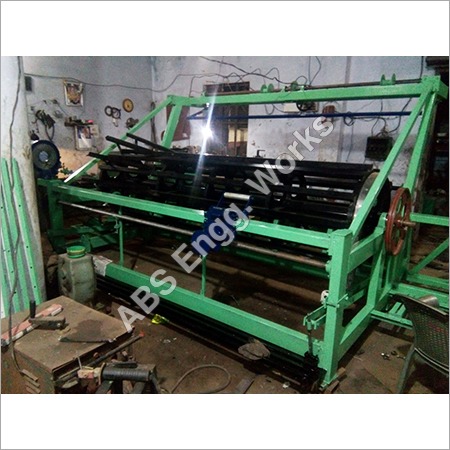
Price Range 100000.00 - 300000.00 INR
Minimum Order Quantity : 1 Carton
Machinery Type : Other, Textile Warping Machinery
Product Type : Other, Ball Warping Machine
Capacity : 8001200 m/min
Color : Sky Blue & Silver
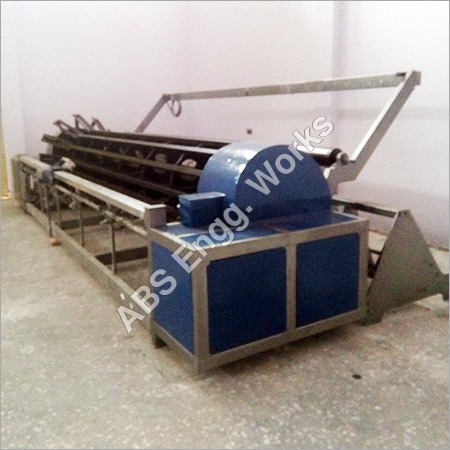
Price Range 100000.00 - 300000.00 INR
Minimum Order Quantity : 1 Set
Machinery Type : Other, Warping Machine
Product Type : Textile Machinery
Capacity : 5001000 kg/hr
Color : Blue & White
|


 |
ABS ENGINEERING WORKS
All Rights Reserved.(Terms of Use) Developed and Managed by Infocom Network Private Limited. |

 Send Inquiry

 Send Inquiry